Underfoot, Under Control: A Rug Guide for Busy British Homes
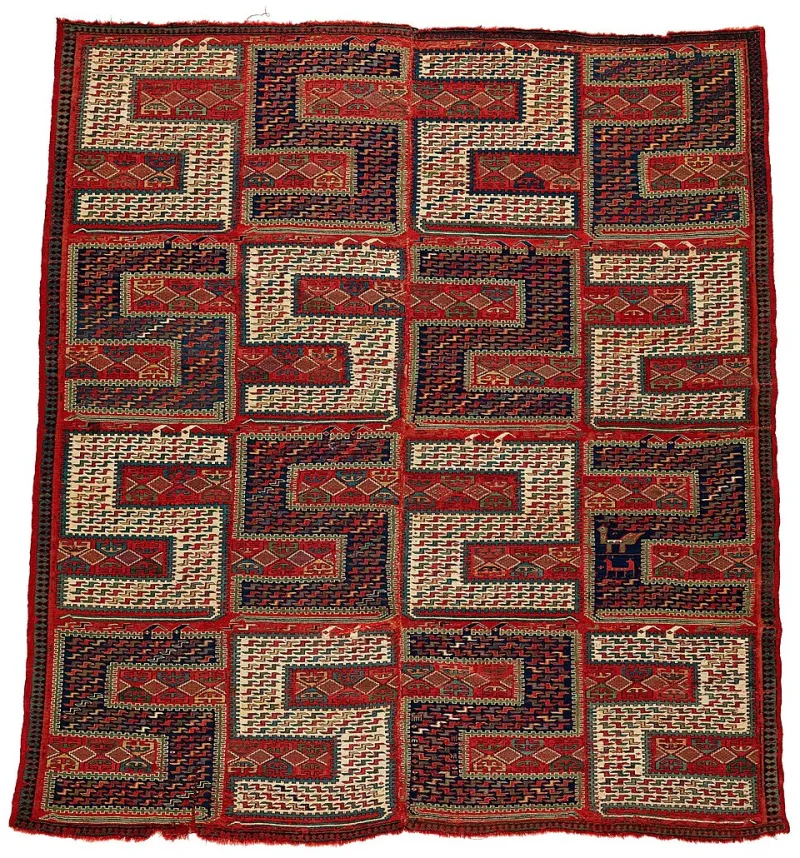
Photo: Unknown Caucasian women. Photo by Museum, Public domain, via Wikimedia Commons
Rugs are the most misunderstood bit of a British home. Too small and the room looks like it is wearing shoes that do not fit. Too pale and every muddy paw shows. Too thick and the door will not open. The good news is that rugs are also one of the easiest things to get right once you stop buying by pattern alone and start with size, material and the reality of your hallway.
The first rule: size before style
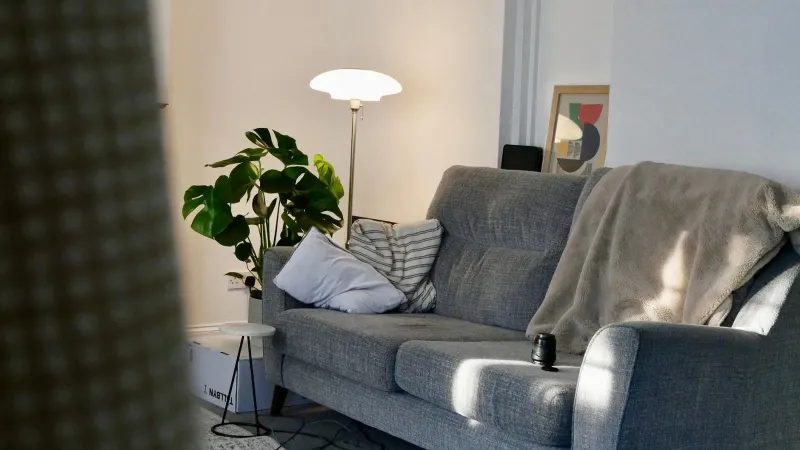
A rug should anchor the furniture, not float in the middle of the floor like a postage stamp. In a living room, aim for the front feet of the sofa and at least one armchair to sit on the rug. If the rug only reaches the coffee table, it will look mean and feel like a trip hazard at the edges.
For a two- or three-seater sofa, a 160x230cm rug is the smallest that usually works. A 200x290cm rug gives more generous coverage. In a larger room, 240x340cm can pull a whole seating group together. Leave a border of floor around the edges, usually 30cm to 45cm, so the rug does not look wall-to-wall. In a narrow lounge, you can run the rug under the sofa and let it stop short of the fireplace; just make sure the coffee table sits fully on it.
A quick size guide for real UK rooms
- Hallway: a runner around 70x240cm or 80x150cm, depending on length. Choose a low pile and check door clearance.
- Living room: 160x230cm for a small lounge, 200x290cm for a medium room and 240x340cm for a large open-plan space.
- Dining room: the rug should extend at least 60cm beyond the table edge on all sides so chairs stay on it when pulled out. For a six-seater, that often means 200x290cm or larger.
- Bedroom: if the rug goes under the bed, it should extend 50cm to 60cm beyond the sides and foot. A 200x290cm can work with a double; 240x340cm is more generous. If that is too much, use two runners either side instead.
Layering over carpet: yes, with conditions
Layering a rug over carpet is a very British solution to rented floors, cold rooms and carpets that are not quite the colour you would have chosen. It works best when the rug is thin and the carpet is not too deep. A low-profile wool or cotton rug over a standard carpet adds colour without making the floor feel spongy. Avoid putting a thick shag rug on top of a deep pile carpet; the edge will curl, the door may catch and the whole thing will creep.
Use a proper rug gripper or anti-slip underlay, especially on carpet and laminate. If the rug moves when you walk on it, it is not finished. On a hard floor, a felt and rubber underlay makes a cheap rug feel more substantial and helps with sound. In a hallway, a runner with a rubber backing is often more practical than a beautiful loose weave that ends up at the front door.
Materials that survive muddy paws and busy feet
Wool is hard to beat for living rooms: warm, durable and naturally dirt-resistant. It can be more expensive and may shed at first, but a wool or wool-blend rug will usually outlast a cheap synthetic one. Look for a dense weave rather than a loose, fluffy finish if the room gets a lot of traffic.
Polypropylene is the practical choice for hallways and homes with pets. It is hard-wearing, often washable and copes with spot cleaning. It will not feel as luxurious as wool, but it is a sensible workhorse. Jute and sisal are brilliant for texture and cheap enough to change, but they are scratchy underfoot and can stain. Keep them for low-moisture rooms and think twice in a bathroom or busy kitchen.
Cotton flatweaves are washable and good for casual rooms. Viscose and rayon look lovely but mark easily; avoid them in hallways or anywhere with muddy boots. If you have underfloor heating, check the rug and underlay are suitable before you buy. If you have a dog that shakes mud across the room, a patterned flatweave will forgive you more than a pale, deep pile.
Room-by-room rules of thumb
- Living room: go as large as the room allows, keep the front sofa legs on the rug and choose wool or a wool blend for comfort.
- Hallway: choose a runner that covers the walking line, not just a small mat in the middle. Low pile and a grippy backing are your friends.
- Dining room: chairs must stay on the rug when pulled out. Wipe-clean wool or polypropylene is safer than pale viscose.
- Bedroom: softness matters. Use a rug under the bed or runners each side, and make sure the rug does not stop the door.
- Kitchen: a washable cotton or polypropylene mat at the sink. Save the precious wool rug for the sitting room.
Practical checks before you buy
Tape out the size on the floor with masking tape. Stand back. Does it look like it belongs? Check door clearance: a rug plus underlay can be 1cm to 2cm thick. Check the vacuum cleaner can cope. Check the returns policy. Take a sample home if you can and look at it in daylight and at night under your own lights.
If you have pets, choose a pattern that hides marks rather than a flat pale colour. If the rug is for a hallway, put it down and walk over it in shoes before you decide. If it slides, creases or catches the door, you have found the problem before it becomes annoying.
The afterthought test
A rug should look intentional. If it looks like a small island in the middle of the room, go bigger. If it creeps across the floor, grip it. If it trips you at the door, choose a thinner one. If it makes you smile when you walk in, it is doing its job.
Rugs are not the finishing touch you add after the furniture; they are part of the room's foundation. Get the size and material right and everything else, from the sofa to the hallway bench, will feel more settled. In a real British home, that means choosing for muddy paws, wet coats and the way you actually live, not just the way the room looks in a photograph.