Make the Bay Earn Its Keep: A Front-Room Plan for Light, Seating and Storage
Bay windows are one of those features that estate agents love and real life often ignores. In a Victorian terrace or a period flat, the bay is usually the brightest part of the front room, yet it ends up holding a sad plant, a curtain that never quite closes and a chair nobody sits in. The trick is not to fill it. It is to give it a job.
Start with the floor, not the sill
Before you buy anything, stand in the bay and look back into the room. How much depth have you actually got? Is there a radiator under the window? Does the curtain stack eat into the space? In many UK terraces the bay adds perhaps 60 to 90cm of depth, which is enough for a slim bench or a small chair, but not enough for a bulky armchair and a side table. Measure the walkway too. You still need a clear route from the door to the sofa, and a bay that looks lovely but creates a pinch point will annoy you every day.
Think about the job you want the bay to do. A reading nook suits a single comfortable chair and a small light. A homework spot needs a surface at the right height and a socket nearby. Extra seating for guests might mean a bench with storage underneath. Once you choose one main job, the furniture decisions become much easier.
The window-seat bench that actually works
A built-in or freestanding bench is the classic bay-window solution, and for good reason. It uses the awkward depth, provides somewhere to perch and can hide a surprising amount of clutter. The measurements matter more than the look. Aim for a seat depth of around 45 to 50cm, and a seat height of about 42 to 45cm so it works with standard cushions. If you want storage, a lift-up lid is practical, but check you can actually lift it without moving the cushion every time.
Do not build a bench tight against a radiator. Trapped heat is wasted heat, and a bench that blocks convection will make the bay cold and the rest of the room slower to warm. If the radiator sits under the window, consider a slim bench that sits forward of it, or a bench with an open slatted base and a vent grille. In a rental, a freestanding bench is the safer choice because it can move with you.
Slim consoles and low storage
Not every bay wants a seat. A shallow console, perhaps 25 to 30cm deep, can turn the bay into a useful drop zone for books, a lamp and a bowl for keys without blocking the glass. Keep it low or keep it open. Tall shelving in a bay can feel like a wall of furniture and will cut the daylight that made the space appealing in the first place.
Low storage is another good option, especially in flats where every centimetre counts. A pair of shallow ottomans or a long low chest can sit under the window and hold blankets, games or shoes. Just leave a gap between the furniture and the curtains so the fabric can hang cleanly and the light can still reach the room.
Curtains, blinds and the light trap
Curtains are where many bay-window plans go wrong. A heavy pair hung on a short pole across the front of the bay will block exactly the light you are trying to keep. Instead, fit a track or pole that follows the shape of the bay, or wall-mount it wide enough that the curtains stack back beside the glass rather than across it. In a period home, ceiling-fixed tracks can look neat and avoid drilling into original plaster.
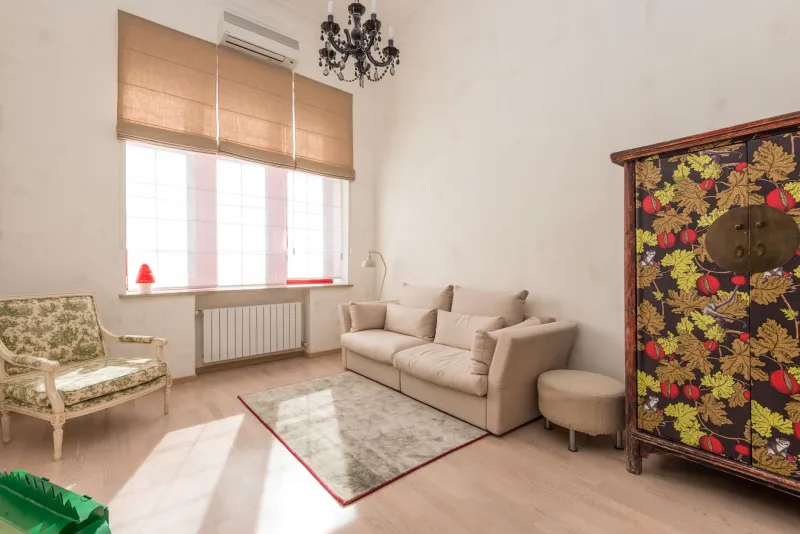
If you have a radiator under the window, avoid full-length curtains that sit over it. Heat will rise behind the fabric, and the curtain will trap warmth against the glass. A Roman blind or a set of café curtains can be a better fit, especially in a small front room. Shutters are another practical option in UK terraces, but choose a style that lets you open the slats fully during the day rather than a solid panel that permanently shades the bay.
Give the bay a purpose, not a pile
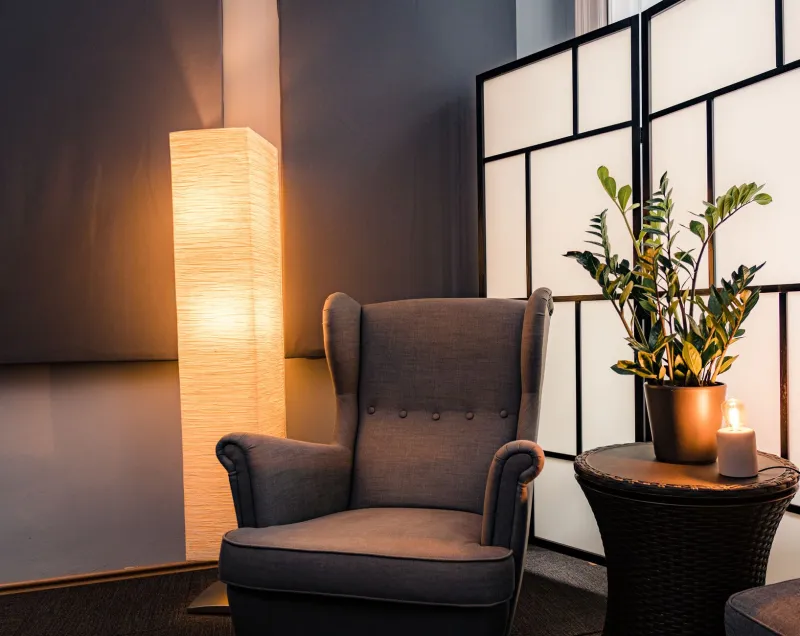
The best bay-window setups feel calm because they are specific. A reading nook needs a chair, a small lamp and somewhere to put a cup. A homework spot needs a desk at the right height, a chair that tucks in and a plug for a laptop. Extra seating needs a bench that is genuinely comfortable for ten minutes, not a decorative ledge. If the bay has become a dumping ground for bags and post, that is a sign it needs a container, not more furniture.
In a rental, keep it simple. A freestanding bench, a slim console and a washable cushion cover can transform the space without any drilling. In a period home, you may want to work with the existing joinery, but do not let original features become a reason to leave the bay unused. A well-planned bay should feel like a small room within the room: bright, useful and easy to leave tidy.
The finishing touches that stop it feeling staged
A rug that stops just short of the bay can help define the zone without covering the floorboards. A small side table or a wall-mounted shelf gives the space a practical edge. Cushions should be comfortable enough to use, not just arranged for photographs. And if the bay is the brightest spot in the room, use it for something you actually do: read, write, drink coffee, watch the street, or sit with a phone call. That is how a bay window stops being a display zone and starts being part of the home.