The Window You Have: Curtain and Blind Fixes for Tricky British Rooms
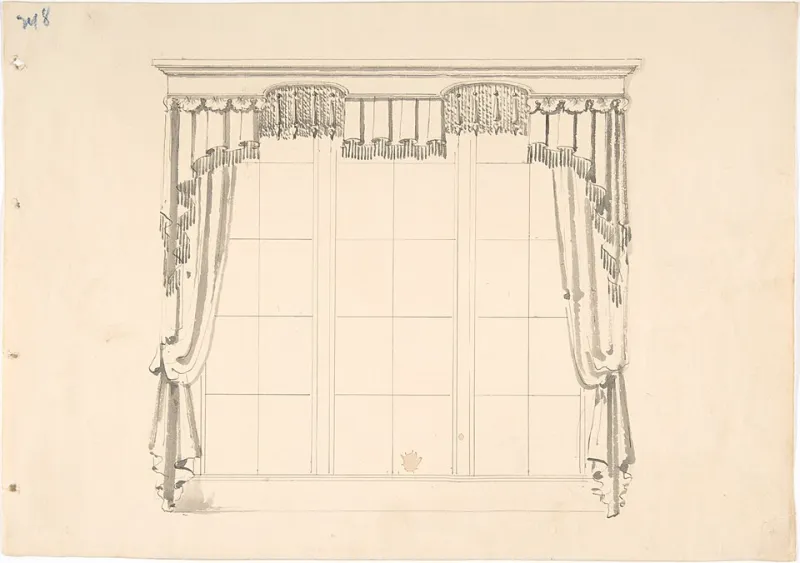
Photo: AnonymousUnknown author, CC0, via Wikimedia Commons
Curtains tend to be the last thing we buy and the first thing we blame. The room feels cold, the light looks harsh, the window looks unfinished - and somehow the fault lands on a pair of curtains that were bought in a hurry because the old ones were faded and the measuring tape was somewhere in a drawer. In older British homes, the problem is rarely the curtains themselves. It is the window. Sash frames that are not quite square, sills so shallow a mug barely fits, radiators parked directly underneath, and patio doors wide enough to make standard curtain widths look mean. The answer is not to shop for the window in the brochure. It is to dress the one in your wall.
Begin at the glass, not the website
Before you look at fabric, spend ten minutes with the window. Open and close it. Check where the sash cords run, whether the sill sticks out, where the radiator sits and how far the door swings. In a rental, note what you are allowed to fix to the wall or ceiling. In an older house, accept that the frame may have a slight lean and the recess may be deeper on one side. Curtains are forgiving, but only if you plan for the quirks rather than pretending they are not there.
Sash windows: hang wider and higher than feels normal
A sash window is designed to give you light from top to bottom, so the worst thing you can do is box it in. Fit the pole or track tight to the frame and the curtains will cover half the glass when open, making the room feel smaller and darker than it is. Instead, take the pole 15-20cm beyond the frame on each side and mount it 10-15cm above the top of the window, or close to the ceiling if the proportions allow. That extra width lets the curtains stack clear of the glass in the day. Use rings rather than pockets if you want an easy glide, and avoid a heavy pelmet over a sash - it kills the top light you were trying to protect. For renters, an extendable pole that tensions inside the recess is a good no-drill option, provided the curtains are not too heavy.
Shallow sills and radiators: stop fighting the heat
A radiator under a window is a classic British arrangement, and it is not going anywhere. The mistake is hanging full-length curtains straight across it. The fabric traps warm air against the glass, the radiator works harder than it needs to, and the curtains quietly collect dust and heat. If the sill is shallow, an inside-recess blind is often the neatest answer - a roller, roman or Venetian blind sits within the window reveal and leaves the radiator clear. If you want curtains, choose a sill-length pair that finishes just above the radiator, or a full-length pair with a generous stack-back so the fabric sits beside the radiator rather than over it. Thermal lining is worth the extra in older homes, but it only helps if the curtain is not blocking the heat source. And please do not tuck curtains behind a radiator; it looks tidy for a week and then becomes a creased, grubby mess.
Patio doors: plan the stack, not just the span
Wide patio doors are where standard curtain maths falls apart. A single pair often cannot cover the span generously, and if the curtains cross the glass during the day, you lose the very thing the doors were installed for. A ceiling-mounted track is usually the best solution because it lets the curtains stack well beyond the frame. If the doors are very wide, consider a split draw or two separate tracks so each side can be pulled back independently. Keep the fabric light enough to gather neatly - a heavy interlined curtain on a wide span becomes a workout every morning. For a rental, look for ceiling tracks that can be fitted with removable brackets, or use an existing track if one is already there and simply upgrade the curtains and hooks.
Headings and linings: the quiet workhorses
Pencil pleat is forgiving on imperfect windows and easy to dress into neat folds. Eyelet headings are casual and simple but need a pole with enough room at the ends for the curtains to stack back. A wave heading gives a clean, modern line and works well on a ceiling track. Pinch pleat looks more formal and is worth it if you want a tailored finish, but it is less forgiving if your measurements are slightly off. Standard lining protects the fabric and helps it hang; thermal lining adds a layer of insulation; blackout lining is useful in bedrooms but can make a living room feel flat if used on every window. Interlining adds weight and a softer drape, but it also adds bulk, which matters on a shallow sill. In small rooms, a lining that matches the curtain colour keeps things calm.
Lengths: floor, sill, or somewhere honest
Curtain length is where good intentions go to die. A curtain that hovers mid-wall looks like it is waiting for a growth spurt. Decide on one of three finishes: just below the sill, just above the floor, or a slight break at the floor. In a living room, a 1-2cm break is practical and looks relaxed. In a bedroom, a clean hover just above the floor is easier to vacuum around. If a radiator dictates a sill-length curtain, make it deliberate - finish it level with the sill or just below it, not halfway down the wall. Hemming tape is a renter-friendly fix for a too-long pair, and a local alterations shop can usually shorten curtains for less than a new pair costs.
Renter-friendly moves that still look intentional
Renters often inherit a curtain track, a weirdly placed pole or a window with no fixings at all. Work with what is there first. Swap the curtains, keep the pole. Add clip rings to an existing track. Use an extendable tension pole inside a recess for lightweight curtains. Choose no-drill brackets where the wall can take them, but do not hang heavy thermal curtains from adhesive hooks and expect them to stay up. If the window has a shallow sill and you cannot drill, a tension rod with a café-style curtain can work in a kitchen or small bedroom, but it is not the answer for a wide patio door. The goal is not to pretend you own the place. It is to make the window look considered rather than temporary.
Measure, then measure again
Measure the pole or track, not the glass. For a generous look, aim for a total curtain width of about 1.5 to 2 times the pole length, depending on the heading. Measure the drop from the pole to your chosen finish, then check it against the radiator, the sill and any furniture below. Hang the curtains for a few days before you decide they are wrong - fabric settles, and a steamer can work wonders. Affordable UK options worth a look include Dunelm for thermal pencil-pleat pairs and extendable poles, IKEA for simple ceiling tracks and lightweight curtains, John Lewis ANYDAY for useful basics, and Argos or B&Q for no-drill brackets and measuring odds and ends. Check the returns policy before you commit, especially on made-to-measure.
The right window dressing does not need to be expensive or permanent. It needs to fit the window you have, let the light in where it matters and keep the heat out of the curtains. Get those three things right and the room will feel calmer before you have even hung the pictures.